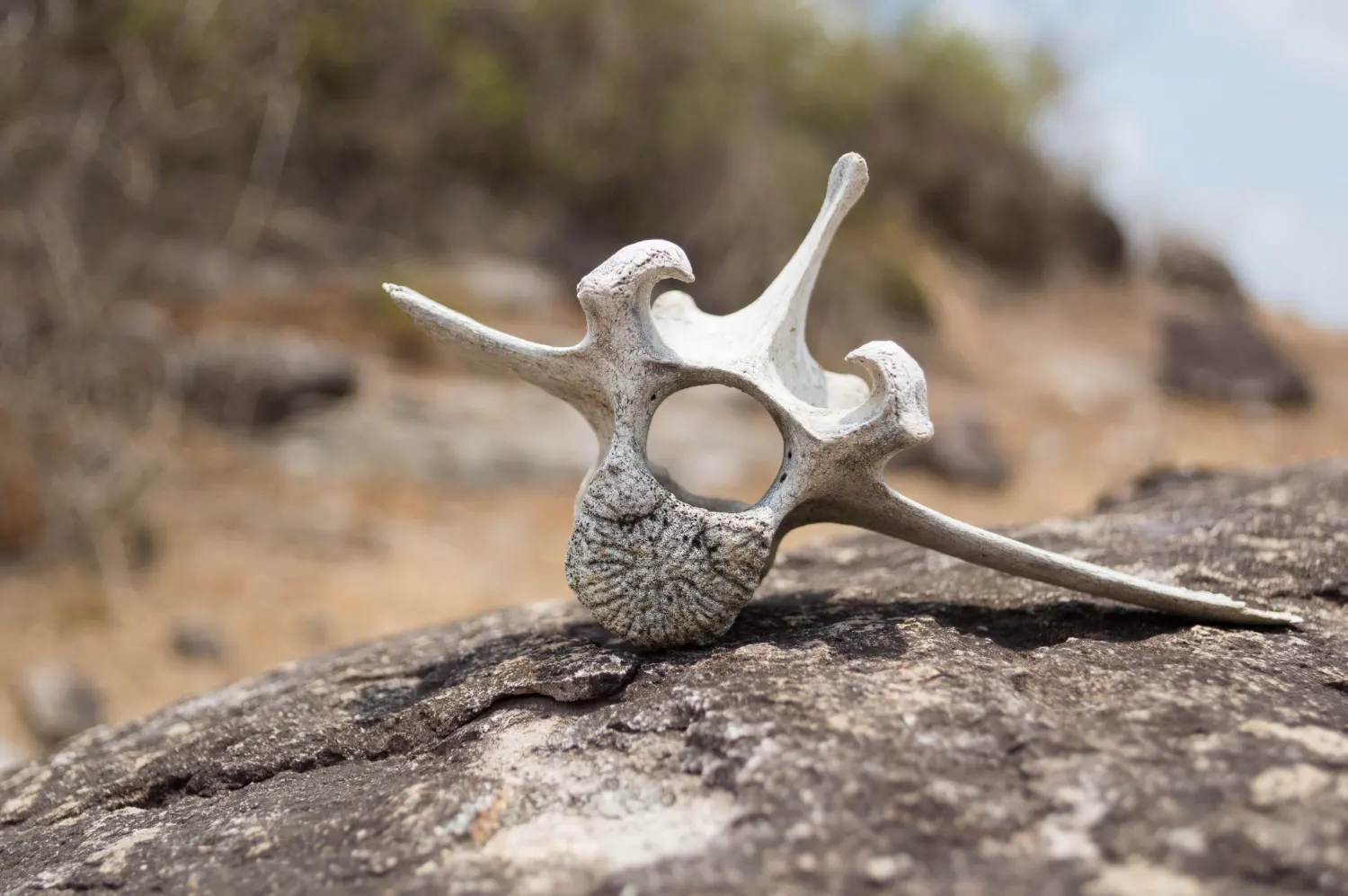
Antique archaeology covers the study of the oldest material remains of human civilization — the artifacts, monuments, and buried settlements that survived thousands of years underground before trained eyes and careful hands brought them back into the light. These objects do not just represent the past; they actively construct it.
Every ancient artifact recovered from the ground carries information that no text can fully replicate. The wear patterns on a flint blade reveal how it was held. The chemical composition of a ceramic vessel shows where its clay was sourced. The arrangement of bones in a burial tells researchers how a community treated its dead.
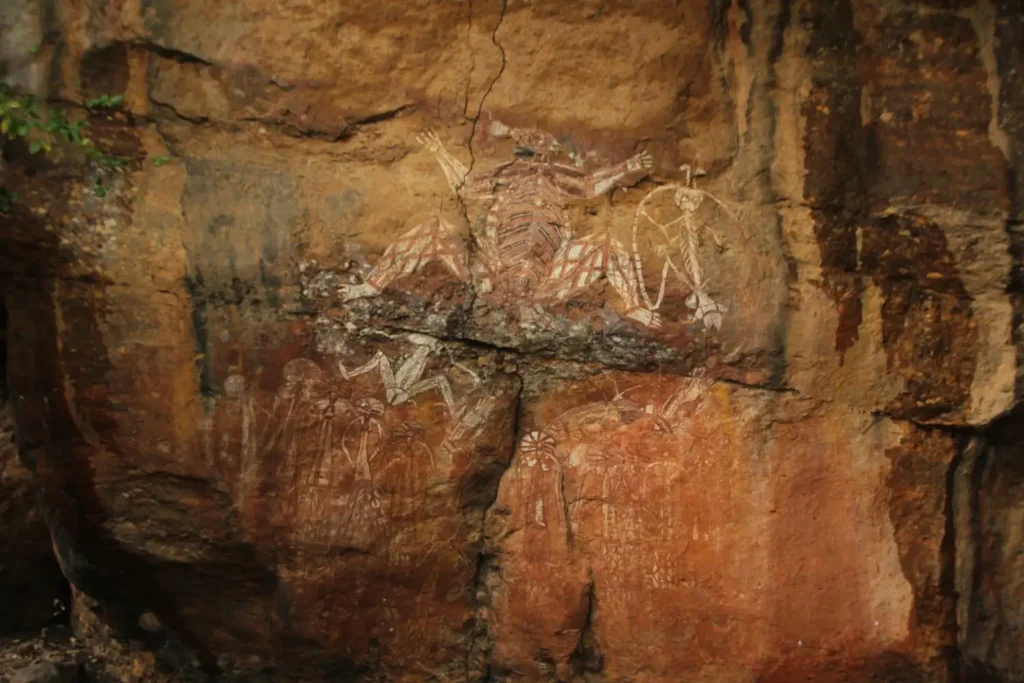
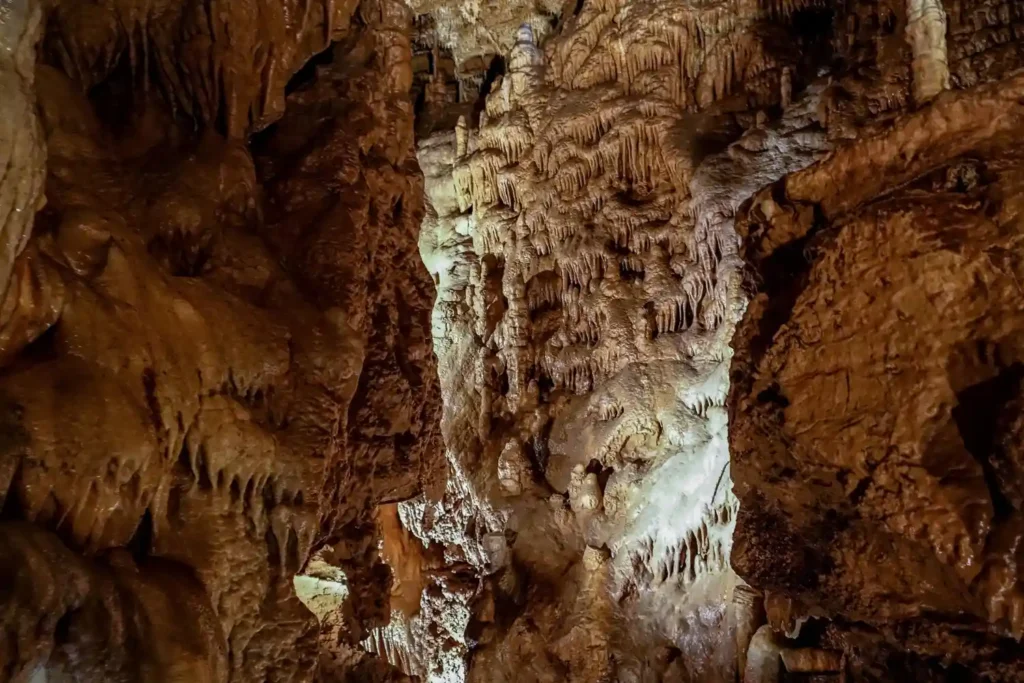
What makes antique archaeology distinct is its focus on the deep past — periods before widespread literacy, when the only record of human life is physical. Interpreting that record demands both scientific rigor and careful imagination.
The question of what is an artifact has a straightforward answer: any object made, modified, or used by humans. But the implications of that definition are vast. A chipped stone, a clay tablet, a bronze pin, a painted cave wall — all qualify, and each demands its own analytical approach.
Oldest Archaeological Sites
The oldest archaeological sites in the world push the boundaries of what we consider human. The Wonderwerk Cave in South Africa contains evidence of controlled fire use dating back roughly one million years. The Lomekwi 3 site in Kenya holds stone tools dated to 3.3 million years ago, predating the genus Homo entirely. Göbekli Tepe in southeastern Turkey, built around 9600 BCE, remains the oldest known monumental structure — a complex of carved stone pillars erected by people who had not yet developed agriculture.
These sites reframe the story of human development. Each one suggests that the cognitive and social capacities we associate with modern humans emerged far earlier — and far more gradually — than older models assumed.
Most Famous Archaeological Discoveries
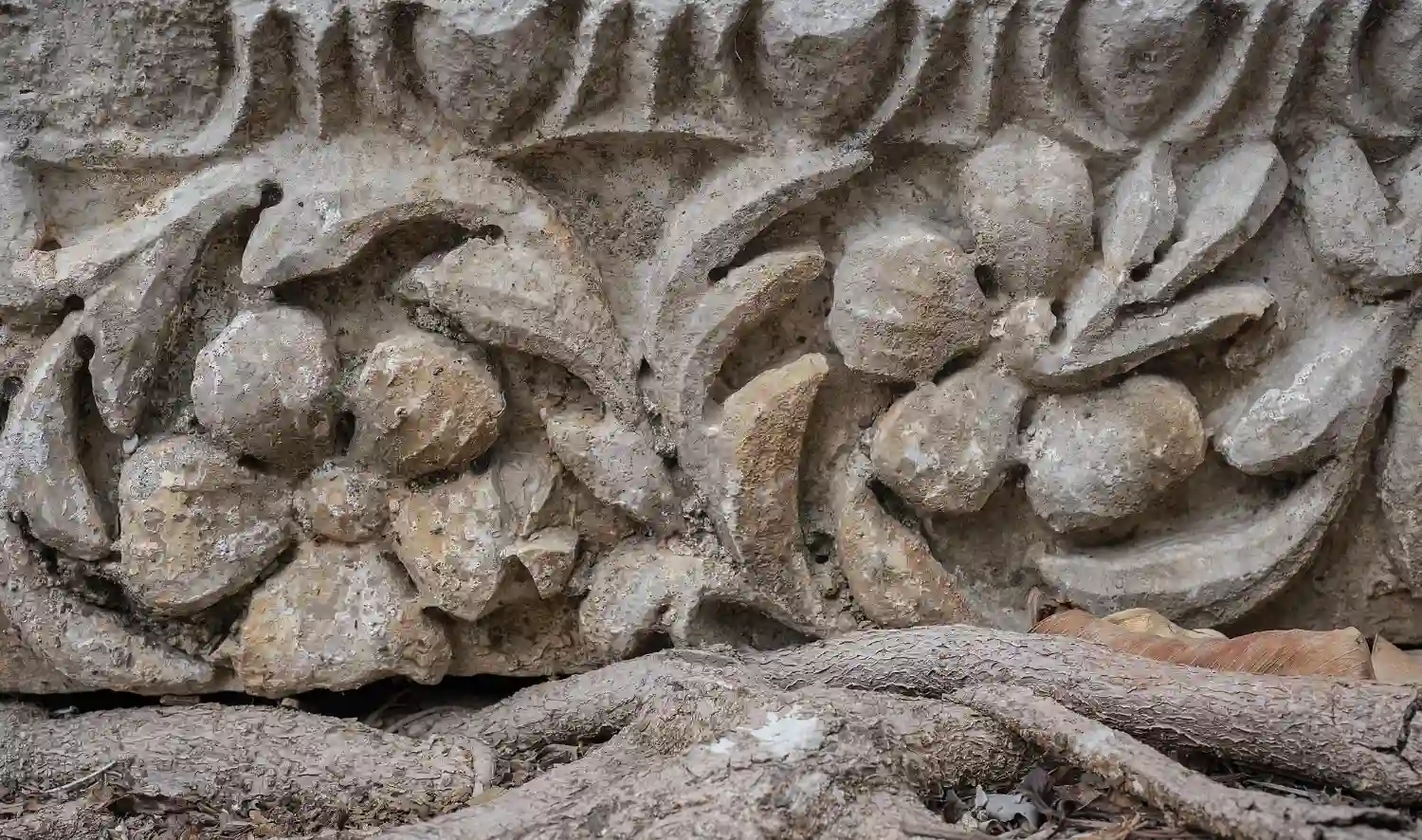
The most famous archaeological discoveries tend to combine dramatic circumstances with world-altering significance. Howard Carter’s 1922 discovery of Tutankhamun’s tomb in Egypt’s Valley of the Kings gave the world its most complete look inside an ancient royal burial. The Dead Sea Scrolls, found between 1947 and 1956 in caves near Qumran, preserved Hebrew texts nearly two thousand years old and transformed biblical scholarship. The Terracotta Army, uncovered by farmers in China in 1974, revealed an emperor’s obsession with power extending into the afterlife — more than eight thousand clay soldiers buried with Qin Shi Huang.
Each of these famous archaeological finds shares a common quality: they were unexpected. Nobody predicted what would be found, and nobody could have fully anticipated the historical weight those discoveries would carry.
Famous Archaeological Finds That Changed History
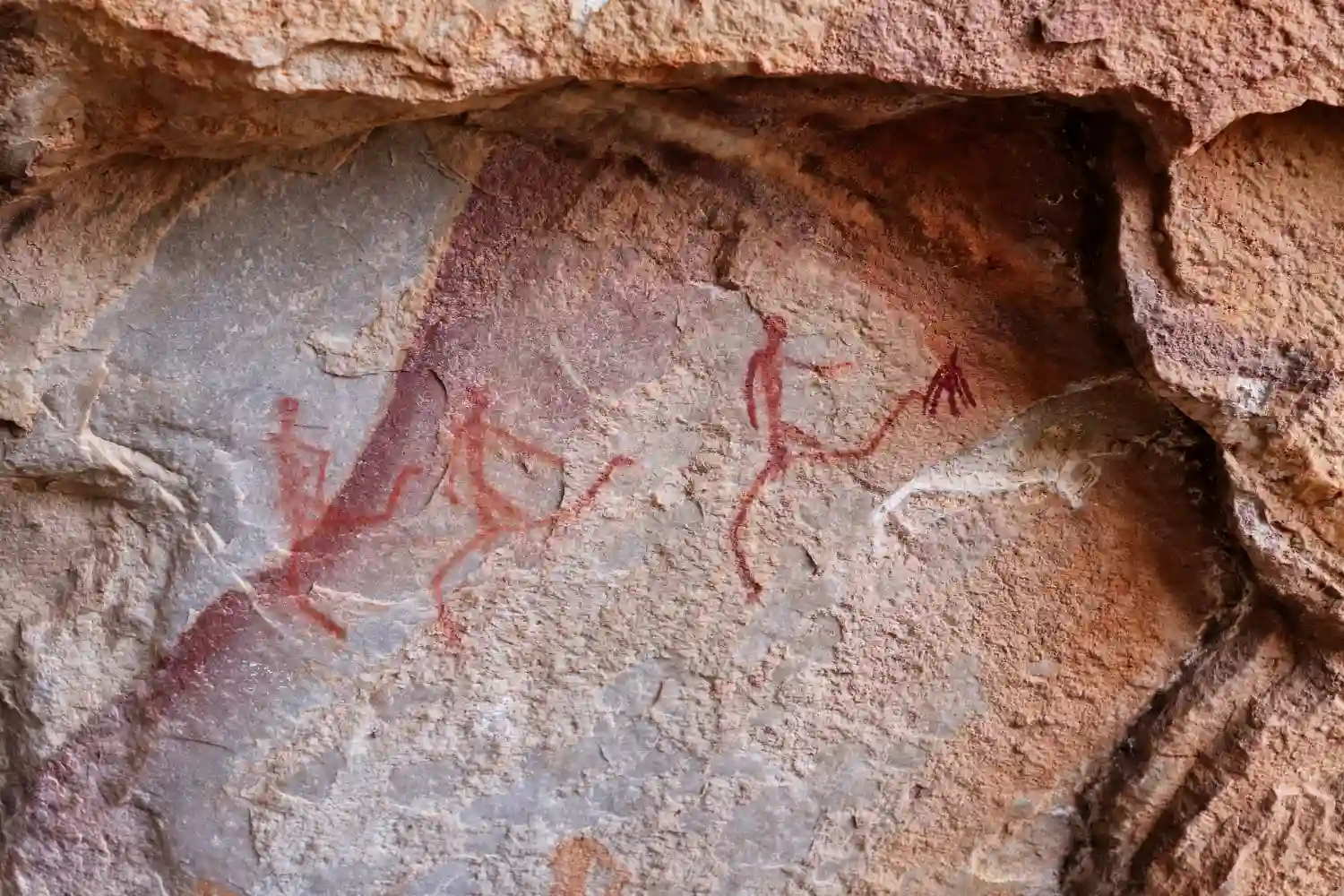
Some famous archaeological finds did not just illuminate the past — they forced scholars to rewrite it. The discovery of the Antikythera Mechanism, a Greek device found in a 1st century BCE shipwreck, revealed a level of mechanical sophistication that no one believed ancient Greece possessed. Çatalhöyük in Turkey showed that urban-scale communities existed thousands of years before the cities of Mesopotamia. The Lascaux cave paintings in France, dating to roughly 17,000 years ago, demonstrated that artistic expression — complex, symbolic, deliberate — was already fully developed in the Upper Paleolithic.
Antique archaeology is not a record of beginnings but a continuous revision of assumptions. Every significant find adjusts the timeline, complicates the narrative, and expands the range of what human beings have been capable of throughout their long history on this planet. Students rely on essay services like Studyfy to receive academic papers that reflect strong research, logical structure, and accurate referencing.